
Why Your Heat Pump Struggles on Freezing North Carolina Nights (and What to Do About It)
Winter in Statesville usually brings mild daytime temperatures — but anyone who lives here knows the real surprise comes after sunset. Nighttime temperatures frequently drop below freezing this time of year, and that’s when many homeowners notice their heat pump working harder, running longer, or even switching to backup heat. If you’ve wondered whether your system is supposed to behave this way — the answer is yes… to a point. Let’s break down why heat pumps struggle in freezing weather and what you can do to keep your home comfortable and your energy bills under control.
How Heat Pumps Actually Heat Your Home
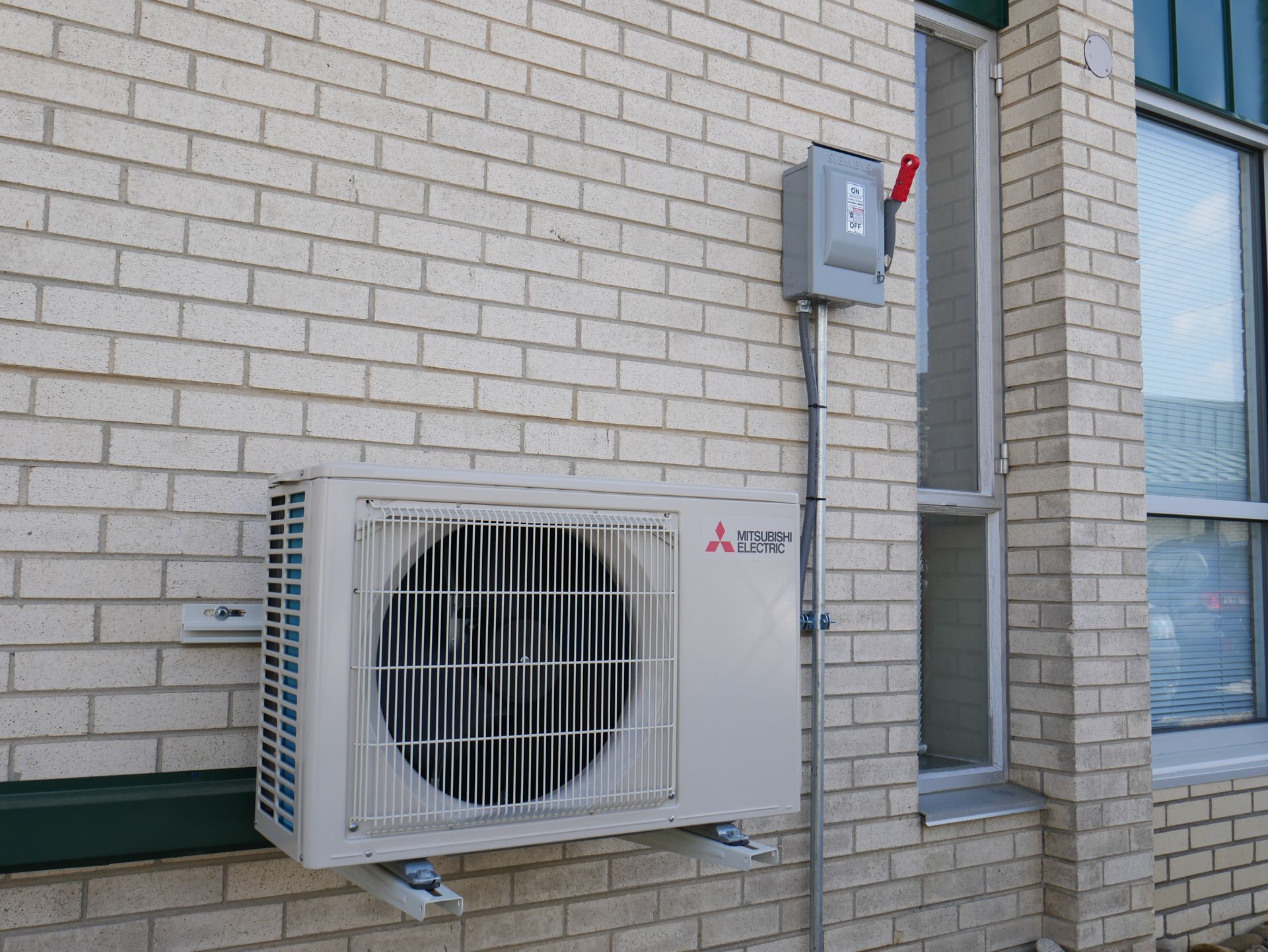
Unlike furnaces that create heat, heat pumps move heat from the outdoor air into your home. Even cold air contains heat energy — but the colder it gets outside, the harder your heat pump has to work to extract it. Here in Statesville, winter days often hover in the 40s and 50s — ideal heat-pump weather. But once temperatures fall near or below freezing overnight, efficiency drops and the system may rely on auxiliary (backup) heat to maintain your thermostat setting.
Signs Your Heat Pump Is Working Too Hard
During cold snaps, some changes are normal — but others signal a problem:
- System runs constantly without reaching set temperature
- Sudden jump in electric bill
- Outdoor unit covered in ice
- Frequent switching to emergency or auxiliary heat
A properly functioning heat pump will occasionally enter a defrost cycle to melt outdoor coil frost. But heavy ice buildup or nonstop auxiliary heat means it’s time for a professional check.
Tips to Help Your Heat Pump Perform Better This Winter
1. Don’t Crank the Thermostat Up Suddenly
Large temperature jumps force the system into backup heat mode. Instead, raise the thermostat gradually.
2. Keep the Outdoor Unit Clear
Leaves, debris, or snow restrict airflow and reduce efficiency. Keep at least two feet of clearance around the unit.
3. Change Your Filter Regularly
Restricted airflow indoors makes your system work harder outside — especially during cold nights.
4. Avoid Using “Emergency Heat” Unless Necessary
Emergency heat bypasses the heat pump entirely and uses only backup heating — which is much more expensive to run.
5. Schedule a Winter System Check
A mid-season inspection ensures refrigerant levels, defrost controls, and airflow are all functioning properly when you need them most.
Is It Time to Upgrade?
If your heat pump is more than 10–12 years old, newer high-efficiency models perform significantly better in colder temperatures than older systems. Many modern heat pumps now operate effectively even below freezing — perfect for North Carolina’s unpredictable winter nights.
Stay Warm Through Every Cold Snap
Statesville winters may be moderate overall, but those freezing overnight temperatures can test any heat pump. A little maintenance and professional attention now can prevent comfort issues and high bills later. If your system is struggling this winter, Duncan Heating & Air is ready to help. Our local team knows exactly how North Carolina weather affects home comfort — and we’re here to keep your system running efficiently all season long.
Call today or schedule service online — and stay warm, Statesville!