
Summer Storms & Your HVAC System: What Statesville Homeowners Should Know
Late summer in Statesville, NC, can bring a little bit of everything—hot afternoons, high humidity, heavy rain, thunderstorms, and the occasional power outage. While most homeowners know to head indoors when a storm rolls through, you may not think about what that weather can mean for your heating and cooling system. Your HVAC equipment relies on sensitive electrical components, and sudden power interruptions or surges can sometimes cause problems that aren't immediately obvious. Knowing what to watch for after a storm can help you protect your system and avoid being left without air conditioning while the late-summer heat is still hanging around.
How Storms Can Affect Your HVAC System
Thunderstorms can cause power fluctuations before, during, and after an outage. When electricity suddenly cuts off or comes back on, components inside your HVAC system may be affected. Potential problems can include:
- Tripped breakers
- Blown fuses
- Thermostat issues
- Damage to capacitors or electrical components
- Problems with the compressor
- A system that won't restart after power is restored
Sometimes the issue is as simple as a tripped breaker. Other times, your system may appear to be working but begin making unusual noises, cycling differently, or struggling to cool your home.
What Should You Do If the Power Goes Out?
If your home loses power during a storm, don't panic if your air conditioner doesn't immediately start running again when the electricity returns. Many HVAC systems have built-in delays that prevent the equipment from restarting immediately. This helps protect the compressor from sudden electrical changes. Give the system a few minutes before assuming something is wrong. If your thermostat has lost its settings during the outage, check that it is back in cooling mode and set to your preferred temperature.
Check Your Breaker—But Don't Keep Resetting It
After a storm, you can check your electrical panel to see whether the breaker controlling your HVAC system has tripped. If it has, you may be able to reset it once. However, if the breaker trips again, don't continue resetting it. A breaker that repeatedly trips can indicate an electrical or HVAC problem that should be inspected by a professional. Repeatedly trying to force the system back on could potentially make the problem worse.
Pay Attention to Your Outdoor Unit
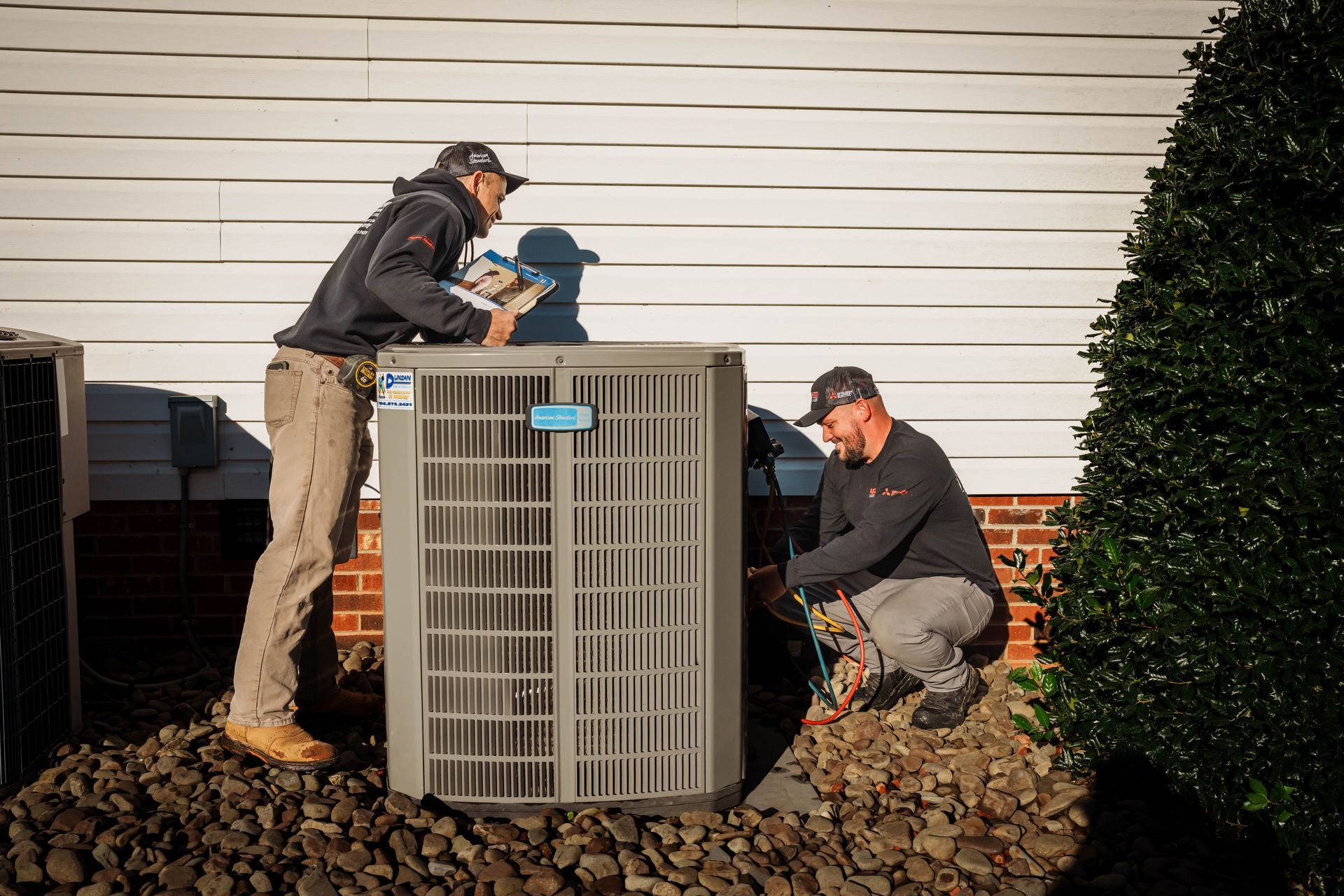
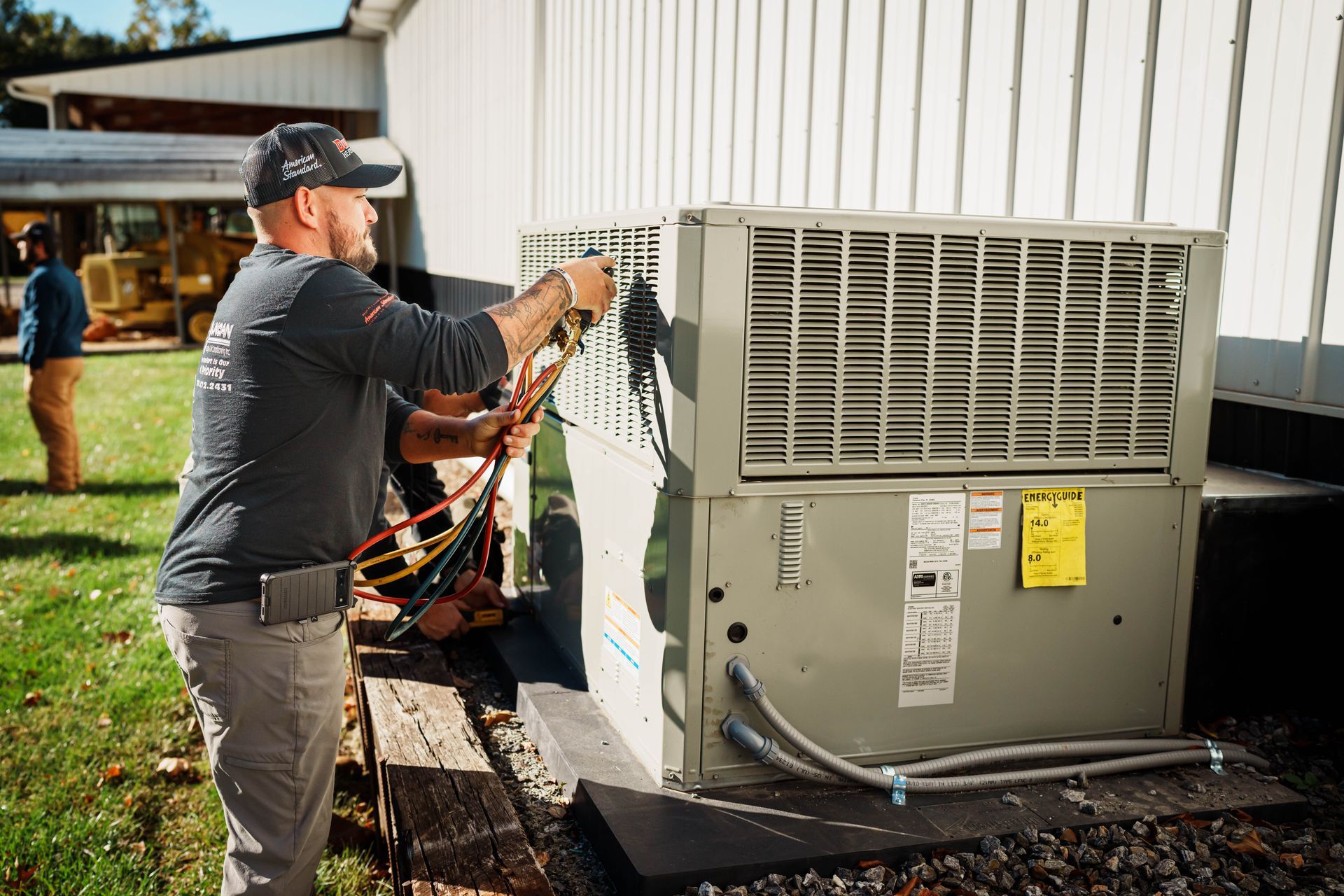
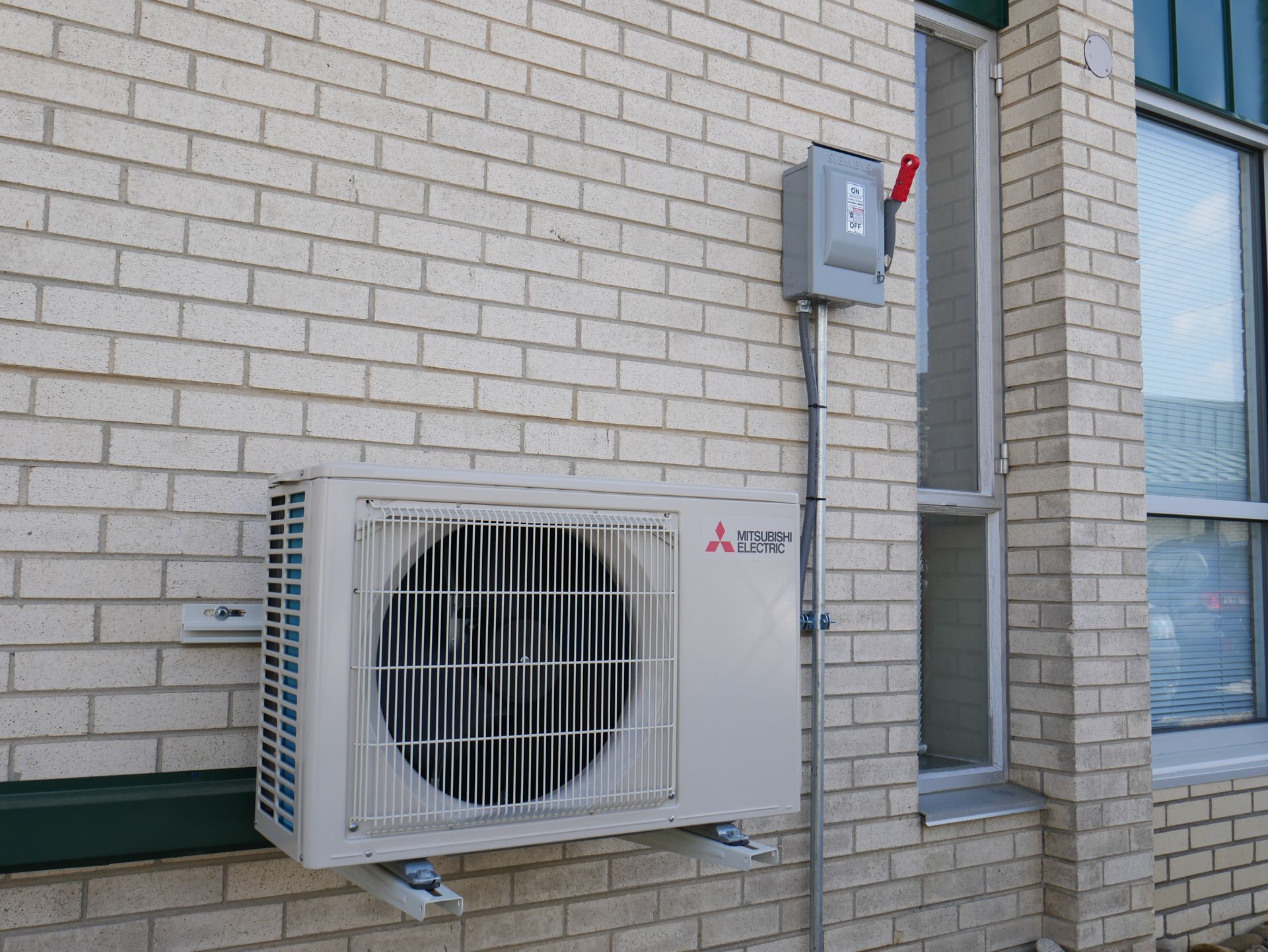
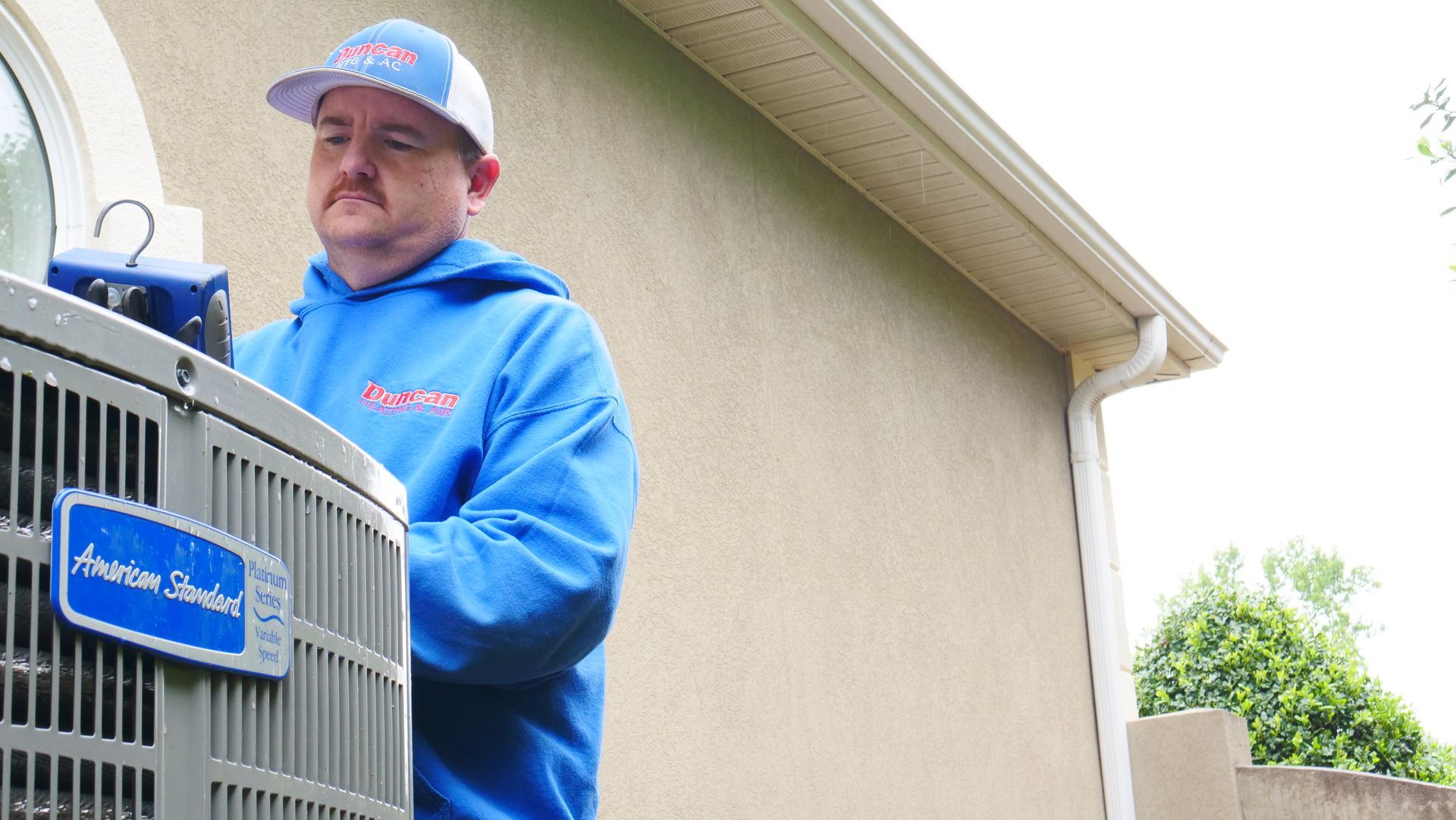
Late-summer storms can also affect your outdoor equipment without causing an electrical problem. Strong wind and heavy rain can blow leaves, sticks, grass clippings, and other debris around the condenser. After the storm passes and it is safe to go outside, take a quick look around your outdoor unit. Make sure there isn't any obvious debris blocking airflow around the equipment. You should also look for visible damage from fallen limbs or other storm debris. If the unit appears damaged, avoid trying to repair or move anything yourself. Give Duncan Heating & Air Conditioning a call so we can take a closer look.
Signs Your AC May Need Attention After a Storm
Your air conditioner may restart normally after a storm, but it's worth paying attention to how it operates over the next several hours. Call an HVAC professional if you notice:
- The AC won't turn back on
- Warm air is coming from your vents
- The outdoor unit isn't running
- The system repeatedly turns on and off
- Your breaker continues to trip
- You hear buzzing, clicking, or other unusual noises
- The thermostat isn't responding
- Your home isn't reaching the temperature set on the thermostat
These symptoms don't necessarily mean you have a major repair on your hands, but they're worth checking before a small issue turns into a larger one.
Can You Protect Your HVAC System From Power Surges?
Homeowners often use surge protectors for televisions, computers, and other electronics, but your HVAC system contains expensive electrical components, too. An HVAC technician can discuss surge protection options designed for heating and cooling equipment. Depending on your home and system, additional protection may help reduce the risk of electrical damage caused by power fluctuations. It's an especially worthwhile conversation if your neighborhood experiences frequent storms or power outages.
Don't Forget: Cooling Season Isn't Over Yet
The calendar may be getting closer to fall, but anyone who has lived in North Carolina knows that doesn't necessarily mean cool weather is here. Statesville can continue experiencing warm, humid days well into September, which means your air conditioner still has plenty of work ahead of it. A storm-related problem that seems minor now can quickly become uncomfortable when another hot afternoon arrives. If something doesn't seem right with your system after a storm, it's better to have it checked rather than waiting for it to stop working completely.
Stay Comfortable Through the End of Summer With Duncan Heating & Air Conditioning
Since 1931, Duncan Heating & Air Conditioning has helped homeowners throughout Statesville and the surrounding communities stay comfortable through North Carolina's unpredictable weather. If your air conditioner isn't working properly after a storm, won't restart after a power outage, or simply doesn't seem to be cooling like it should, our experienced team is ready to help.
Contact Duncan Heating & Air Conditioning today at 704-872-2431 to schedule HVAC service and keep your home comfortable through the rest of the summer and into fall.